Face any challenge, anywhere
Wilderness Medical Associates International is the leading provider of wilderness medical training for medical professionals and adventurous communities around the world.
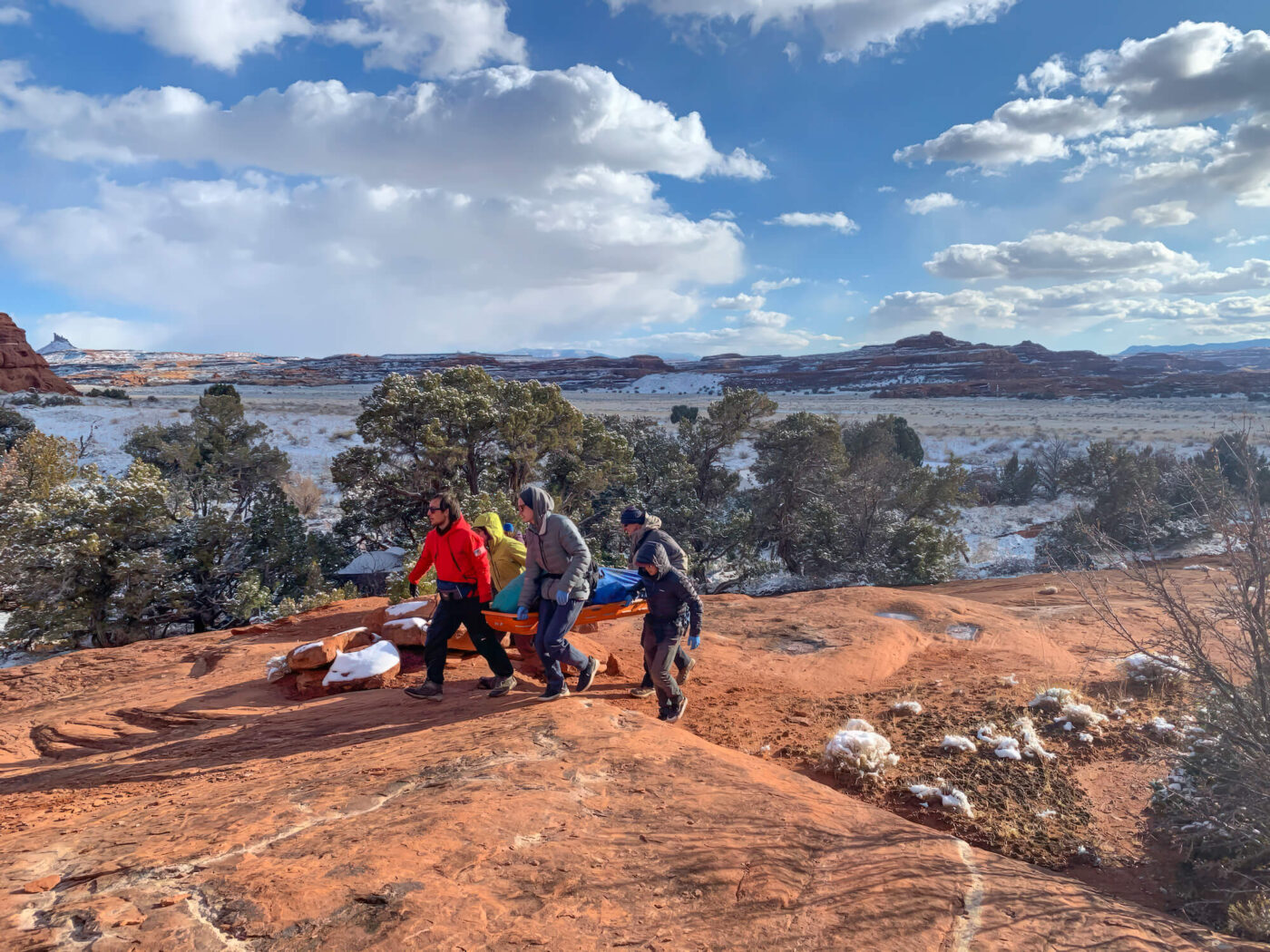
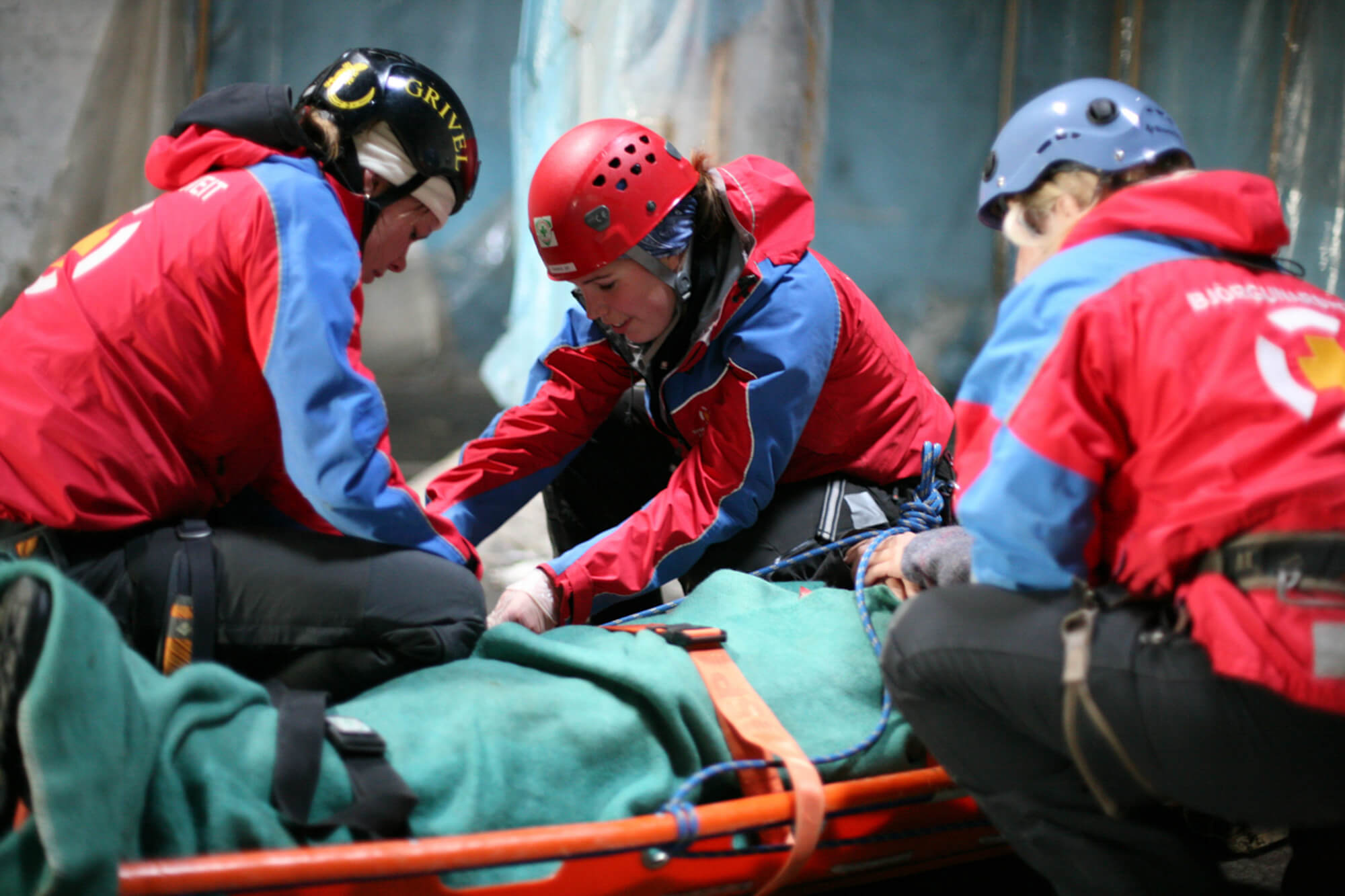
Real life training for remote work and recreation
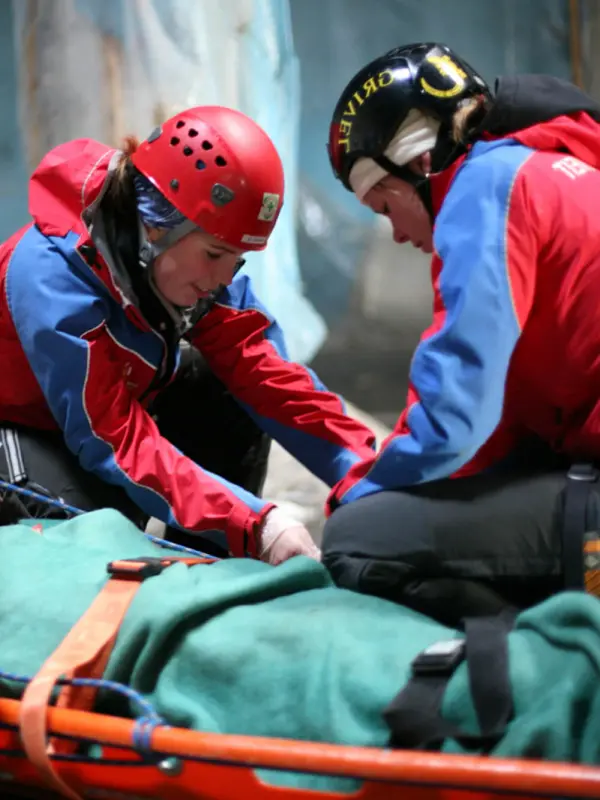
We partner with active licensed medical providers and search and rescue practitioners to provide the latest training in wilderness medicine with real-world experience-based scenarios.
Wilderness medicine for everyone
Discover the right course to start or advance your wilderness medical training.
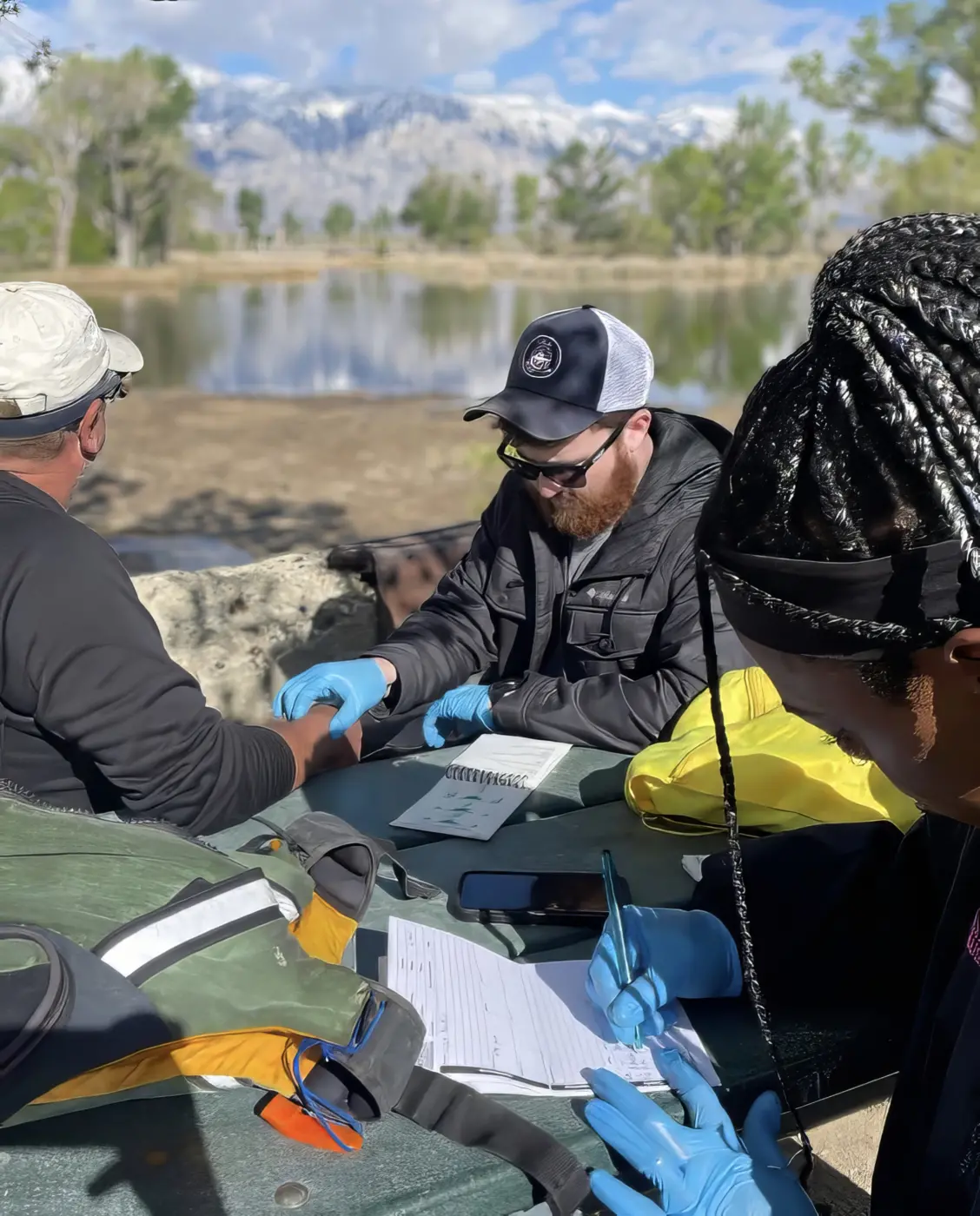

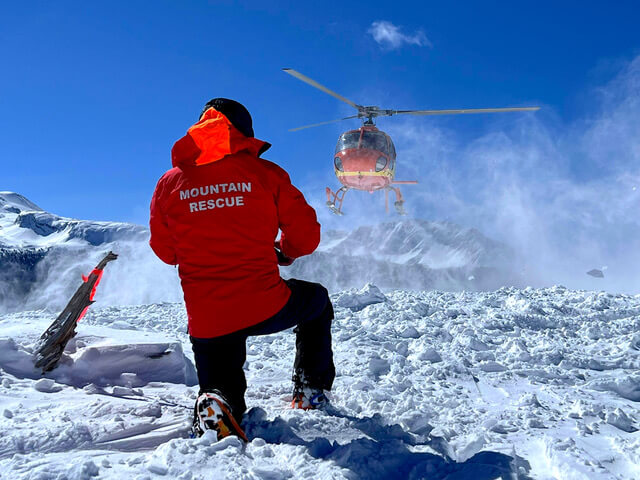
Host a course with our team, worldwide
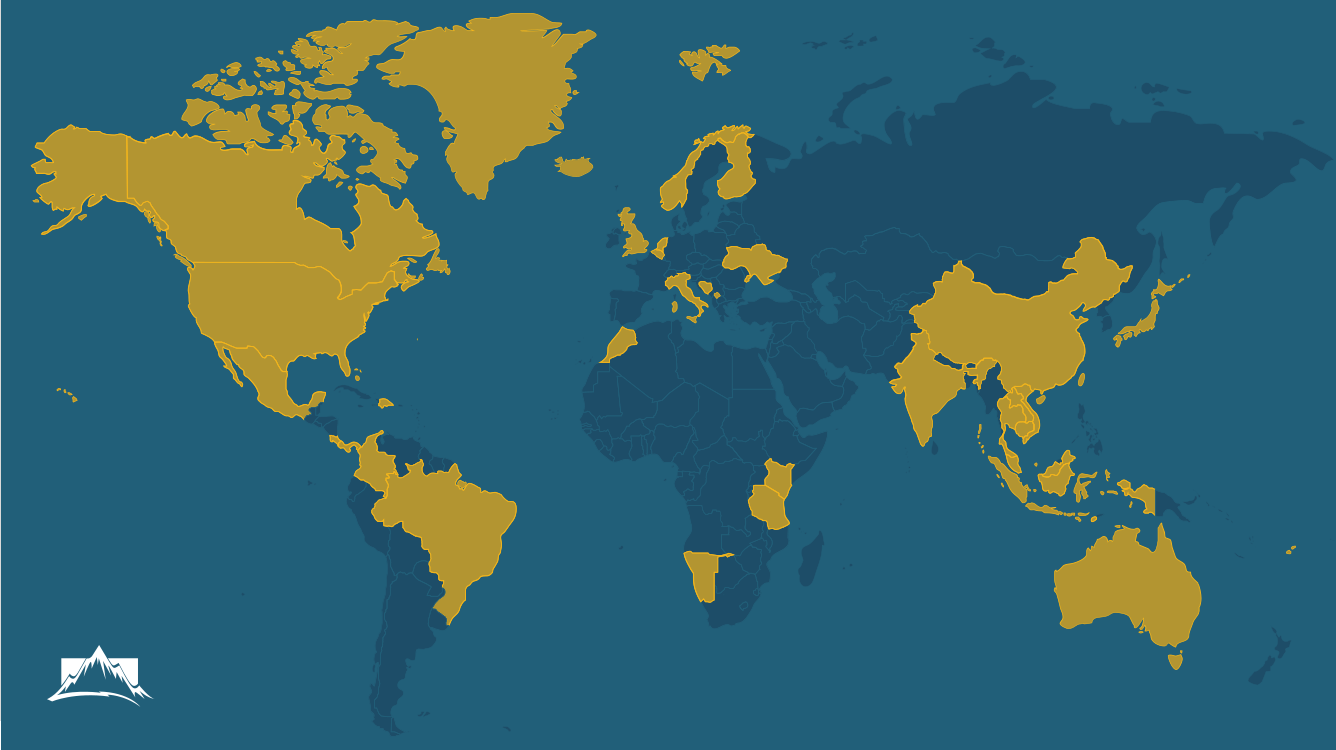
We welcome any group, organization, or private company to host a wilderness medical course with our licensed training companies.
Meet our hosts







Instructor Spotlight:
Meet Deb Ajango
Deb’s path into the field of wilderness medicine started at the University of Wisconsin – Madison where she earned her bachelor’s degree in Psychology and master’s degrees in Clinical Psychology and Education. Between her undergraduate and graduate work, Deb visited Alaska to complete a required internship. With her masters’ degrees in hand, she returned to Alaska to serve as a clinician in wilderness therapy.
Testimonials
Curriculum direct from the source
Shop WMA International textbooks, field guides, and training resources.