Curriculum

Wilderness First Responder – Scope of Practice (Draft)

Friday, June 11th, 2010

In order to establish guidelines for comprehensive, thorough, and more consistent wilderness medical training, AORE and other organizations that hold a respectively large place in the field of wilderness medicine have signed off on the Wilderness First Responder SOP (Draft), a document that complements the Wilderness First Aid Scope of Practice.

Please consider helping AORE make a difference by reviewing this document if you have ever sponsored a WFR course, attended at WFR course, or instructed a WFR course. Does this document include the topics that you want your staff to know? As a participants of a Wilderness First Responder course, is this training enough to prepare you for backcountry medical emergencies? Are the elective topics sufficient? Please be clear, professional, and thorough.

Click here for the Wilderness First Responder Scope of Practice.

Please send your comments to Tim Mertz (mertzt@uwstout.edu). Comments received will be consolidated and then presented to the wilderness medical providers for consideration in the final document.

WMA Now Offering WEMT-I Courses

Friday, March 12th, 2010

Looking to upgrade your Wilderness EMT?  How about taking the WEMT-I?

Starting in May of 2010, Wilderness Medical Associates, the industry leader in wilderness medicine will begin offering the WEMT-Intermediate course.  This course is designed to expand the knowledge base and scope of currently certified Wilderness EMTs or EMTs.

Wilderness EMT Course Content

This course meets all requirements of the Department of Transportation (DOT) Emergency Medical Technician-Intermediate/85 (EMT-I/85) curriculum and the Wilderness Medical Associates WEMT-I curriculum. Topics include patient assessment, body systems, equipment improvisation, trauma, oxygen administration, automatic defibrillation, ECG interpretation, IV therapy, pharmacology, overview of primary care medicine, advanced assessment, endotracheal intubation, environmental medicine, toxins, backcountry medicine, wilderness protocols, and wilderness rescue.

Wilderness specific subject topics include:

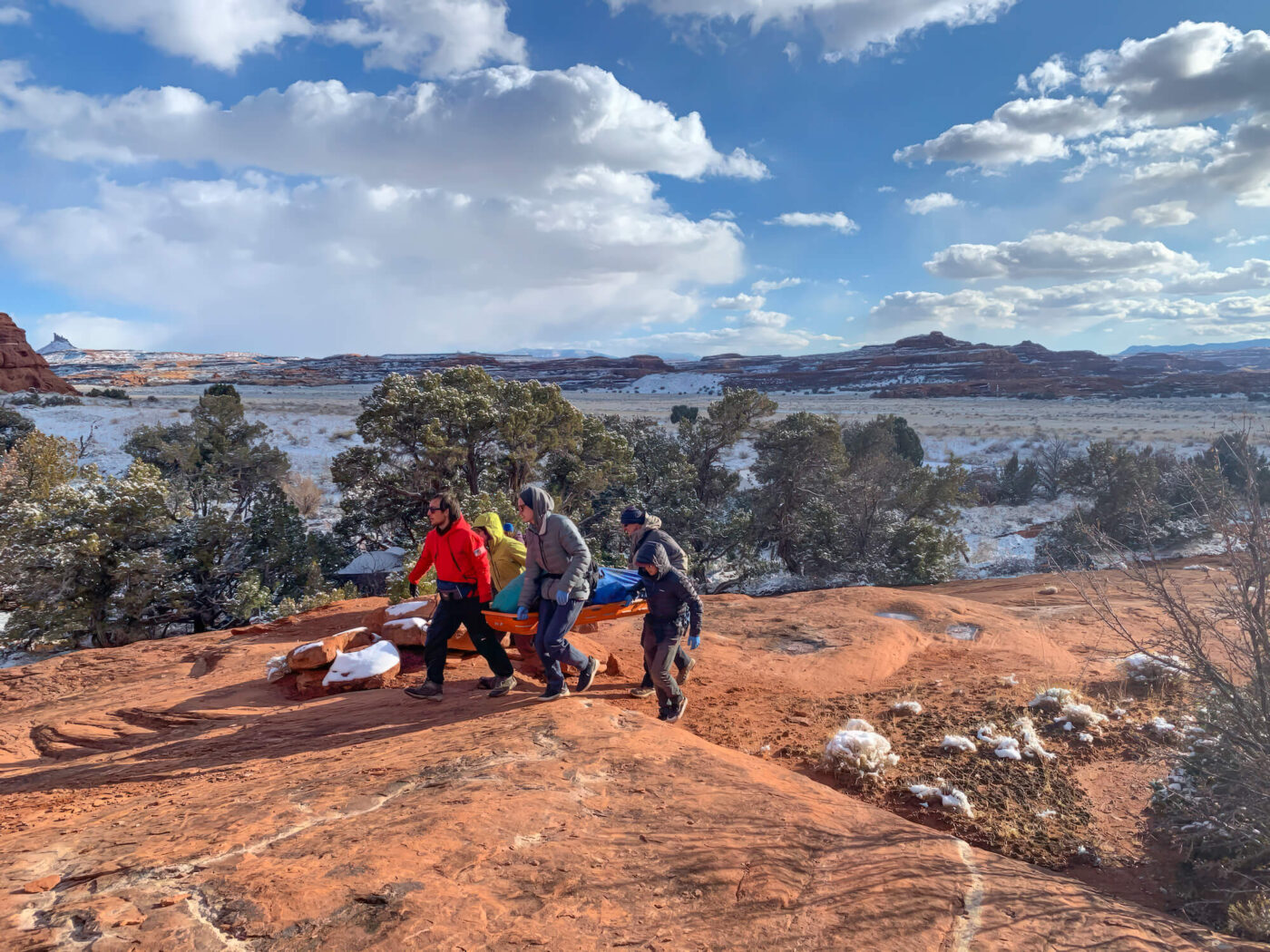
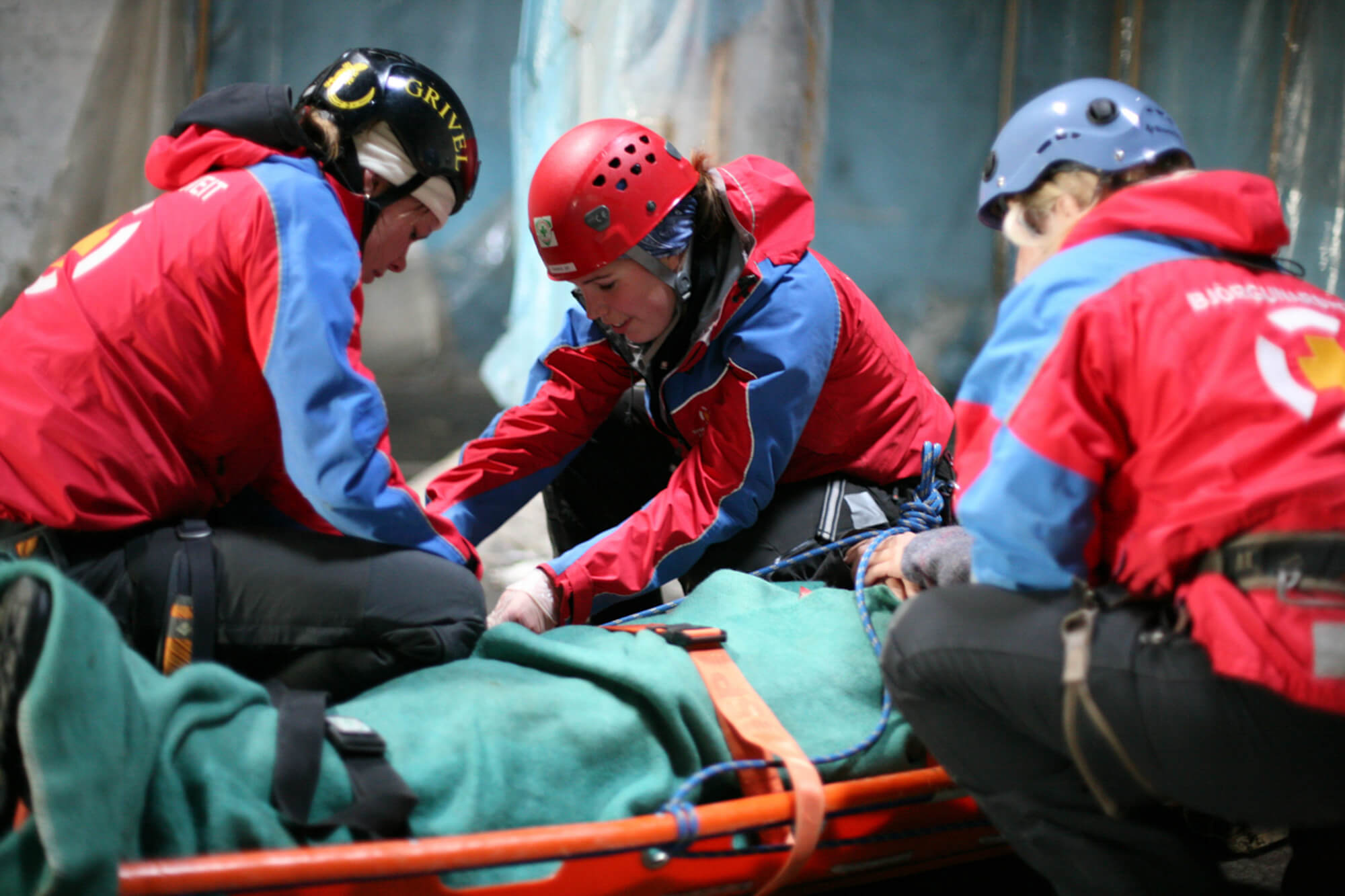
Logistics and Introduction, General Concepts in Wilderness Medicine, Roles and Responsibilities, Patient Assessment, Critical System Problem Recognition Drill, Critical System Summary, Spine Musculoskeletal, Limb Splinting, Dislocation Reduction Demo and Practice, Skin, Soft Tissues and Burns, SAR/Organization, Small Group BLS Simulations Thermoregulation, Cold Injuries, Altitude, ALS Treatments and Meds, Appropriate Technology, ALS Tools and Medications, Night Simulation, Expedition Practitioner/Backcountry medicine, Toxins, Bites and Stings, Lightning, Submersion injuries, Diving, Improvised carries, low angle litter evacuation, hypothermia wraps, antibiotic usage, pain management, common problems associated with the EENT.

Wilderness EMT Class Format

This course is 75 hours classroom and 36 hours clinical time over 16 days. On most days class will run from 8:00 a.m. to 6:00 p.m. Mornings will begin with quizzes and case presentations from students who had hospital rotations on the previous day. The rest of the morning will be devoted to lectures.

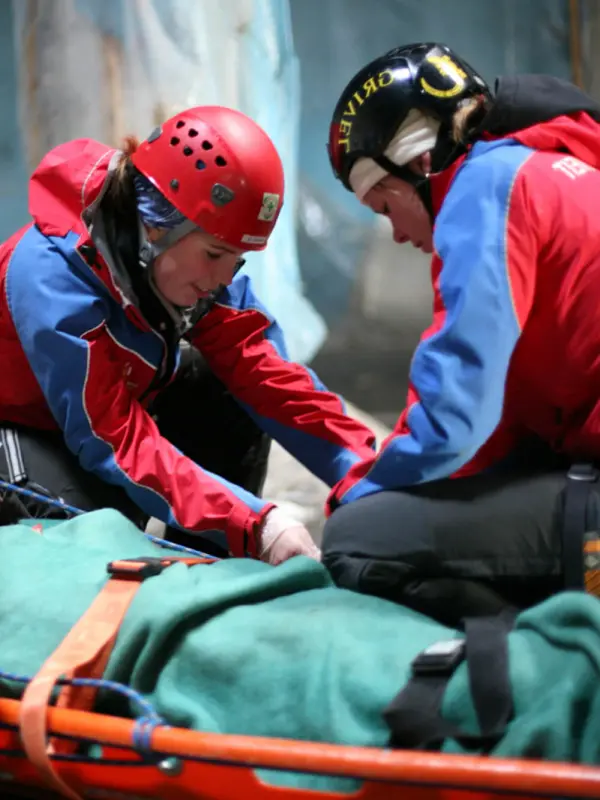
Afternoons are devoted to practical hands-on sessions and video taped simulations. Expect 2-3 emergency rescue simulations with made-up victims and stage blood that will be videotaped for enhanced learning. Evenings are reserved for case studies, clinical rotations, and assignments.

Need more information or want to enroll?

Contact us at:

office@wildmed.com

1-888-WILDMED

Click here for the list of upcoming Wilderness EMT-I courses.

Click here for more information about the Wilderness EMT-I course.

Is There An Optimal Way To Get Effective CPR Training To Large Groups Of People?

Friday, November 20th, 2009

There is a curious post on ems1.com’s web page today.  It relates a story about a record setting effort by a group of 8th graders in Texas.

http://www.ems1.com/ems-products/cpr/articles/605748-Texas-youths-set-record-for-worlds-largest-CPR-training-class/

No it was not a pie eating contest or sporting event.  Apparently they were certified by the Guinness folks for holding the world’s largest CPR class – 4626 students.

“As expected with thousands of junior high students, there was plenty of goofing around during the lesson. Giggling was common when they first gave their inflatable mannequins mouth-to-mouth resuscitation, and more than a few decided to head butt or slap their Mini Anne CPR dummies. But most appeared to take the lesson seriously.

Cluck (the mayor who helped organize the CPaRlington program)walked several laps around the field during the lesson, and he said most participants understood the techniques and could resuscitate someone if needed. Each student is now required to take the dummies home and teach four other people.”

Although not specifically mentioned, 30 minutes and inflatable CPR dummies sound a lot like the American Heart Association’s (AHA) CPR Anytime. Regardless of whose curriculum, I am assuming that this was not a certifying course.

The CPR Anytimeis a real departure from where the AHA was even 5 years ago.  There was a time when everyone taking one of their courses was hovered over by a hypervigilant instructor making sure that each student’s compressions and ventilations were within an upper and lower limit.  Skill testing success or failure was determined by lines on a piece of graph paper spit out from the side of the testing dummy.  Everyone knew that you had to modify your technique for the testing mannequin used, in order to pass.

Most instructors led their students to believe that if their technique varied in anyway from the norm, those efforts would hasten a patient’s demise.  Everyone assumed that the AHA knew what it was doing and as a result no one else (other than the American Red Cross and a few others) could be trusted to teach CPR.  Now these courses are more user friendly and accessible, engineered to train the masses.  These self-directed offerings are a convenient way for people to learn a skill that could enhance survivability following a cardiac arrest without having to take a course.  No one knows whether or not this new approach will make a difference.  Others of us have been allowed to use our own curricula and ideas to teach this once sacred procedure.  It seems that AHA mantra has become, do something.  Over the years, anecdotal stories suggest that an untrained person doing something is potentially beneficial and not harmful.  Science shows us that early intervention does make a difference.  I agree

Still, this rock concert-like event makes me cringe.  Why not do it right?  Is the time spent in school classrooms so valuable that they don’t have time for this or practical First Aid?   The AHA hopes people taking self-directed courses will in turn teach someone else.  Would these kids do a better job teaching their parents after a course like the one noted above or after a proper course, esepically one that utilized a variety of teaching methodolgies (e.g., fun) and was integrated in with what they are leaning in school?

This is not a criticism of these kids.  This is what they know.  Kudos to them not for the record but for the initiative and sense of civic concern.  But with a little guidance and effort, think about how much more could be done.

Q: Is There a Standard in Wilderness Medicine Training?

Wednesday, November 4th, 2009

Is there a standard in wilderness medicine training?

Authors of an editorial and article that appeared in the Wilderness and Environmental Medicine Journal earlier this year (Vol 20, 106 and 113-117) argued that there is no standard in wilderness medicine training for outdoor educators.  In addition, they suggested that organizations offering this training have curricula that are not evidenced-based and are quite possibly irrelevant to the true needs of their intended audiences.  They characterized these training organizations as fractious and secretive (my selection of words).  These suggestions and characterizations are misleading and inaccurate.  I personally have an open and collegial relationship with the principles of a number of these organizations.  We attend and present at some of the same conferences and regularly meet to discuss what we are doing and why.  Anyone can see what we teach by buying our texts, reading our blog, listening to our conference presentations, and freely downloading articles and protocols from our web site.  Over the years, these interactions have resulted in changes and upgrades for all of us.  The competitive atmosphere of excellence has forced each of us to look carefully at what we teach and how we teach it.  Being wrong and inept would result in marginalization as well as loss of business.  Over the last several years these conversations have become more focused.  The participants are highly experienced outdoor and educational professionals, some with long careers as outdoors medical practitioners.  They work or manage training organizations who have taught over 150,000 WFA students since 2000.  Through a collaborative effort with these peers, we hope to write Scope of Practice (SOP) documents to define the intended audience and what a person at different levels of training should be able to do and should not do in the field.  Ultimately the signatories will publish them for public information and scrutiny.  The first of these is a SOP for Wilderness First Aid (WFA). It will be discussed at this year’s American Outdoor Recreation and Education (AORE) conference in Minneapolis and presented to the Wilderness Medical Society.

Click here for the Wilderness First Aid (WFA) Scope of Practice.